
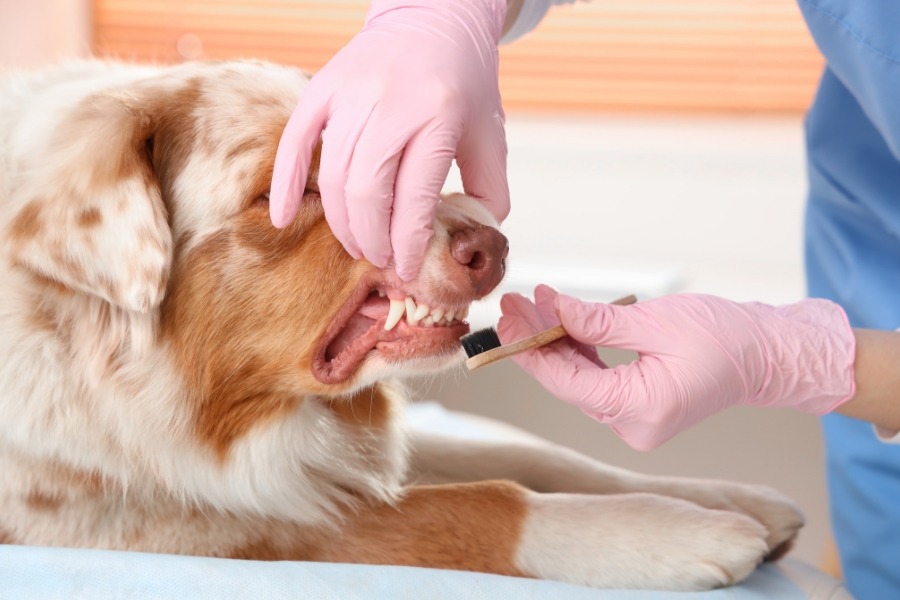
Your pet’s dental health is an important part of their overall well-being. Dogs and cats use their teeth every day for eating, grooming, playing, and interacting with their environment. However, pets often hide signs of oral discomfort, allowing dental problems to progress before owners recognize them.
For pet owners in Rye, NY, understanding common signs of dental disease can help you seek veterinary care when needed. Bad breath, visible tartar, red gums, drooling, difficulty chewing, and changes in behavior may indicate an oral health problem. Regular veterinary examinations can help identify these concerns before they become more advanced.
Pet dental care includes routine oral assessments, professional dental cleanings when appropriate, home dental care, and monitoring for signs of disease. While regular brushing can help control plaque, professional veterinary care may be necessary when tartar, gum inflammation, damaged teeth, or other oral conditions develop.
Why Is Dental Care Important for Dogs and Cats?
Plaque is a film containing bacteria that forms on the teeth. If it is not removed, it can harden into tartar, also known as dental calculus. Over time, plaque and tartar can contribute to gum inflammation, discomfort, tooth damage, and other oral health problems.
Pets may continue eating despite dental discomfort, so a normal appetite does not always mean their mouth is healthy. Some pets instead show subtle changes, such as chewing differently, becoming less active, or avoiding interaction.
Routine dental examinations allow your veterinarian to assess your pet’s teeth and gums and identify potential problems earlier.
Common Signs of Dental Problems
Watch for changes in your pet’s mouth, eating habits, and behavior.
Bad Breath
Persistent bad breath is not something to ignore. It may be associated with plaque, tartar, gum inflammation, or another oral condition.
Red or Swollen Gums
Healthy gums should not be severely red, swollen, or irritated. Changes around the gumline may indicate inflammation and should be evaluated.
Visible Tartar
Yellow, brown, or dark deposits on the teeth may indicate tartar buildup. Once tartar becomes firmly attached, brushing at home may not be enough to remove it.
Difficulty Chewing
Dropping food, chewing on one side, eating more slowly, avoiding certain foods, or showing less interest in eating can indicate oral discomfort.
Drooling or Pawing at the Mouth
New or excessive drooling and repeated pawing at the mouth can indicate irritation, pain, or another dental problem.
Loose or Damaged Teeth
Loose, broken, or fractured adult teeth require veterinary attention. Dental injuries can be painful and may require treatment.
Behavioral Changes
A pet experiencing oral discomfort may become withdrawn, irritable, or reluctant to have their head or mouth touched.
Do Pets Need Professional Dental Cleanings?
Professional veterinary dental cleanings can be an important part of maintaining oral health. Brushing at home helps reduce plaque, but it cannot replace professional care when significant tartar or dental disease is present.
During a professional procedure, the veterinary team can examine the teeth and gums more thoroughly, remove accumulated dental deposits, and identify teeth or tissues that may require additional treatment.
The recommended frequency of dental care varies according to your pet’s age, breed, oral condition, dental history, and overall health.
What Happens During a Veterinary Dental Procedure?
Your veterinarian will generally perform an examination before recommending a dental procedure. Depending on your pet’s needs, the process may include:
- Pre-procedure evaluation
- Appropriate anesthesia
- Examination of the teeth and gums
- Removal of plaque and tartar
- Cleaning of tooth surfaces
- Evaluation for damaged or diseased teeth
- Treatment when necessary
- Recovery monitoring
Anesthesia allows the veterinary team to keep the pet still and comfortable while performing a thorough examination and cleaning. It also allows the veterinarian to assess areas of the mouth that may be difficult to evaluate in an awake pet.
How to Care for Your Pet’s Teeth at Home
Home dental care can help support professional veterinary treatment. If your veterinarian recommends brushing, introduce it gradually.
Start by gently handling your pet’s lips and gums for short periods. Once your pet becomes comfortable, introduce toothpaste formulated specifically for pets and a pet-safe toothbrush or veterinarian-approved dental tool.
Focus primarily on the outer surfaces of the teeth and keep sessions short. Consistent brushing is generally more useful than occasional, lengthy attempts.
Never use human toothpaste unless your veterinarian specifically recommends it, as some ingredients may be unsafe for pets to swallow.
Can Dental Treats and Chews Help?
Some dental treats, chews, and specially formulated foods may complement an oral hygiene routine. However, they should not replace veterinary examinations or professional treatment.
Not every product is suitable for every pet. Some chews may be excessively hard, while others may provide limited dental benefits. Ask your veterinarian which products are appropriate for your pet’s age, size, chewing habits, and oral condition.
Dental Care for Puppies, Kittens, and Senior Pets
Establishing good dental habits early can make future brushing and veterinary examinations easier. Puppies and kittens can gradually become accustomed to having their mouths handled during routine wellness care.
Senior dogs and cats may require closer dental monitoring because years of plaque and tartar accumulation can increase the likelihood of oral problems. Older pets may also have other health considerations that need to be included when planning dental treatment.
Regardless of age, regular oral examinations can help identify problems before they cause significant discomfort.
How Often Should Your Pet Have a Dental Examination?
There is no single schedule that applies to every dog or cat. Your veterinarian may consider:
- Age
- Breed
- Size
- Dental history
- Current oral health
- Home-care routine
- Overall health
Some pets develop tartar more quickly than others, so your veterinarian can recommend an examination and preventive-care schedule based on your pet’s individual needs.
When Should You Contact Your Veterinarian?
Schedule a veterinary examination if you notice:
- Persistent bad breath
- Red or bleeding gums
- Facial swelling
- Difficulty chewing
- Excessive drooling
- Loose or broken teeth
- Pawing at the mouth
- Changes in appetite
- Significant behavioral changes
Early evaluation can help determine whether your pet simply needs improved preventive care or requires professional dental treatment.
Dental health should be considered part of your pet’s overall preventive healthcare plan. Regular examinations, professional dental care when needed, and consistent home maintenance can help support healthy teeth and gums throughout your pet’s life.
If your pet has signs of dental disease or is due for an oral examination, we can evaluate their dental health and discuss appropriate treatment options. Schedule an appointment to discuss your pet’s dental care needs.
Frequently Asked Questions
- How can I tell if my pet has dental disease?
Ans: Bad breath, tartar, red gums, difficulty chewing, drooling, loose teeth, pawing at the mouth, and behavioral changes can indicate a dental problem. Some pets show few obvious symptoms, making routine examinations important.
- Can I brush my pet’s teeth at home?
Ans: Yes. Regular brushing with pet-safe products can help control plaque. However, home brushing does not replace professional veterinary dental examinations or cleaning when significant tartar or disease is present.
- How often should my pet receive a dental examination?
Ans: The appropriate schedule depends on your pet’s age, breed, dental history, current oral health, and individual risk factors. Your veterinarian can recommend an appropriate schedule.
- Does Rye Harrison Veterinary Hospital provide pet dental care?
Ans: Yes. Rye Harrison Veterinary Hospital provides pet dental services, including dental cleanings and dental assessments as part of comprehensive veterinary care.
- What should I do if my pet has a broken or loose tooth?
Ans: Contact your veterinarian for an evaluation. Broken or loose teeth can be painful and may require treatment depending on the extent and location of the problem.