
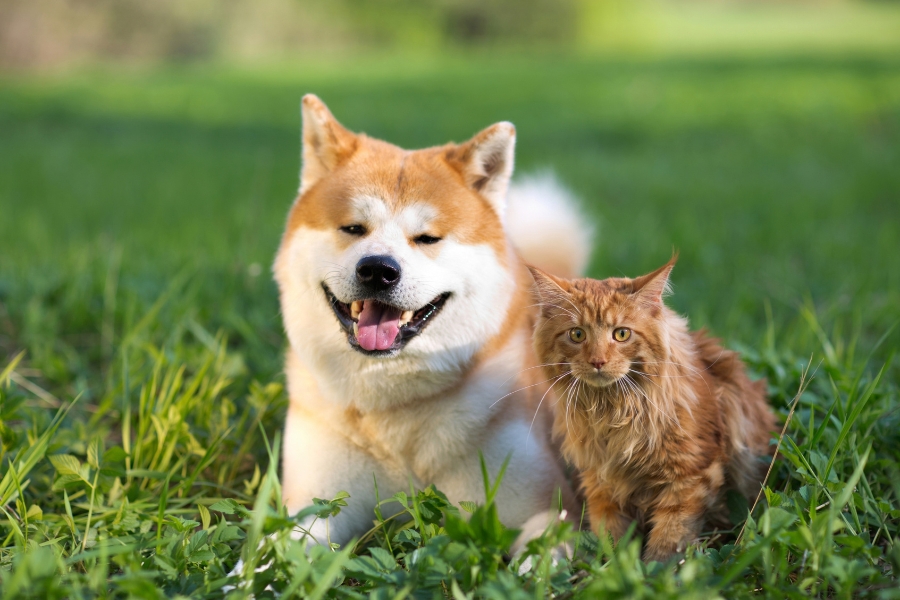
As pets grow older, their daily needs begin to change. Activities they once enjoyed may become harder, and some senior dogs and cats may move more slowly or avoid certain movements. For pet owners in Rye and nearby areas, understanding how to support an aging pet’s activity level can help maintain comfort and quality of life.
At Rye Harrison Veterinary Hospital, we help local families understand the changes that come with aging and provide guidance to support older pets through every stage of life. Keeping a senior dog or cat active does not mean encouraging intense exercise. It means creating safe opportunities for movement, mental stimulation, and daily engagement.
Why Staying Active Matters for Older Dogs and Cats
Regular movement plays an important role in maintaining a senior pet’s overall wellness. As pets age, reduced activity can contribute to muscle loss, stiffness, weight changes, and decreased interest in daily routines.
Gentle activity can help support:
- Joint flexibility and mobility
- Healthy body weight
- Muscle strength
- Mental stimulation
- Normal daily habits
However, older pets may not have the same physical abilities they had when they were younger. Activities should be adjusted based on their comfort, health history, and energy level.
Choose Low-Impact Activities That Match Your Pet’s Ability
The right activities can help your senior dog or cat stay engaged without putting unnecessary strain on their body.
For senior dogs, consider:
- Short, relaxed walks instead of long-distance exercise
- Slow-paced outdoor time for sniffing and exploration
- Gentle games that do not involve sudden jumping or running
- Multiple shorter activity sessions throughout the day
For senior cats, encourage movement through:
- Interactive toys that allow controlled play
- Puzzle feeders that encourage natural behaviors
- Climbing options with easy access
- Short play sessions based on their interest
If your pet appears tired, uncomfortable, or avoids an activity, it may be a sign to reduce the intensity.
Watch for Signs That Your Senior Pet Is Struggling
Aging can bring normal changes, but some may indicate an underlying health concern. A decrease in activity is not always caused by age alone.
Contact your veterinarian if you notice:
- Difficulty standing up or lying down
- Reluctance to climb stairs or jump
- Limping or changes in walking patterns
- Increased sleeping and reduced interest in interaction
- Sudden changes in appetite or weight
- Trouble using the litter box
- Behavioral changes such as increased irritability or hiding
These signs can have different causes, including joint concerns, dental problems, weight changes, or other medical conditions. A veterinary examination can help determine what may be affecting your pet.
Support Your Pet’s Comfort at Home
Small changes in the home environment can make daily activities easier for aging pets.
Helpful adjustments include:
- Providing soft, supportive bedding in a quiet area
- Using rugs or mats on slippery floors
- Keeping food, water, and resting areas easy to access
- Maintaining a predictable daily routine
- Offering gentle grooming and regular attention
For cats, placing litter boxes in convenient locations can help if mobility becomes difficult. For dogs, avoiding repeated use of stairs or high-impact activities may reduce physical strain.
Maintain Regular Veterinary Visits as Your Pet Ages
Preventive examinations become increasingly important as pets get older. Senior animals may develop health concerns that are not obvious at home, especially during the early stages.
During veterinary visits, the team may evaluate areas such as:
- Joint and mobility changes
- Weight and body condition
- Dental health
- Organ function
- Changes in behavior or daily habits
Routine evaluations allow pet owners to discuss concerns and make adjustments to their pet’s care plan. This approach is an important part of senior pet care because it focuses on maintaining comfort and identifying changes early.
If you notice your older dog or cat slowing down, avoiding activities, or showing changes in daily behavior, contact our veterinary hospital for guidance and an appropriate evaluation.
How to Encourage Mental Stimulation Without Physical Stress
Keeping an older pet mentally active is just as important as physical movement. Brain activities can help prevent boredom and encourage natural behaviors.
Try:
- Food puzzles that match your pet’s ability
- Teaching simple commands using positive reinforcement
- Rotating toys to maintain interest
- Allowing safe outdoor exploration
- Spending consistent time interacting with your pet
Mental activities can often be adjusted for pets with limited mobility, making them a valuable part of daily care.
When Should You Schedule a Veterinary Examination?
Not every change in an older pet requires emergency attention, but ongoing changes should not be ignored. Schedule a veterinary visit if your pet has persistent mobility problems, noticeable behavior changes, difficulty completing normal activities, or signs of discomfort.
Sudden weakness, trouble breathing, collapse, severe pain, or major changes in eating or drinking habits may require prompt veterinary attention.
Our veterinarian can help identify possible causes and recommend appropriate steps to support your pet’s health and comfort.
Helping Your Senior Pet Stay Active With the Right Support
Aging does not mean your dog or cat has to stop enjoying daily activities. With gentle exercise, a comfortable environment, mental stimulation, and regular veterinary care, many older pets can remain engaged and connected with their families.
Rye Harrison Veterinary Hospital provides guidance and medical support for aging pets through every stage of life. If your senior dog or cat needs help staying comfortable, active, and healthy, contact us to discuss their needs and senior pet care options.
Schedule an appointment today to support your senior pet’s comfort, health, and quality of life.
FAQs
Q1. How much exercise does a senior dog need each day?
Ans: The amount of exercise depends on the pet’s age, health, mobility, and energy level. Short walks and gentle activities are often more suitable than intense exercise. Our veterinarian can help determine a safe routine for your pet.
Q2. How can I keep my older cat active if they do not play much?
Ans: Older cats may enjoy shorter play sessions, food puzzles, and activities that encourage natural behaviors. Rye Harrison Veterinary Hospital can help evaluate changes in activity and recommend ways to support your cat’s daily wellness.
Q3. When should I take my senior pet to the veterinarian?
Ans: You should schedule an examination if your pet shows changes in movement, appetite, behavior, weight, or daily habits. Regular visits are an important part of senior pet care because they help monitor age-related changes.
Q4. Can exercise help older dogs with stiffness?
Ans: Gentle movement may help maintain mobility and support muscle strength, but exercise should be tailored to your dog’s physical condition. Pets with stiffness or discomfort should receive veterinary guidance before starting new activities.
Q5. What health problems can make senior pets less active?
Ans: Reduced activity may be linked to several factors, including joint concerns, dental discomfort, weight changes, or other medical conditions. Rye Harrison Veterinary Hospital evaluates senior pets to help identify possible causes and create appropriate care recommendations.
Q6. How can I make my home safer for an aging pet?
Ans: You can improve safety by reducing slippery surfaces, providing comfortable resting areas, keeping essentials nearby, and making daily routines easier to follow. These changes can help older pets move around with more confidence.