
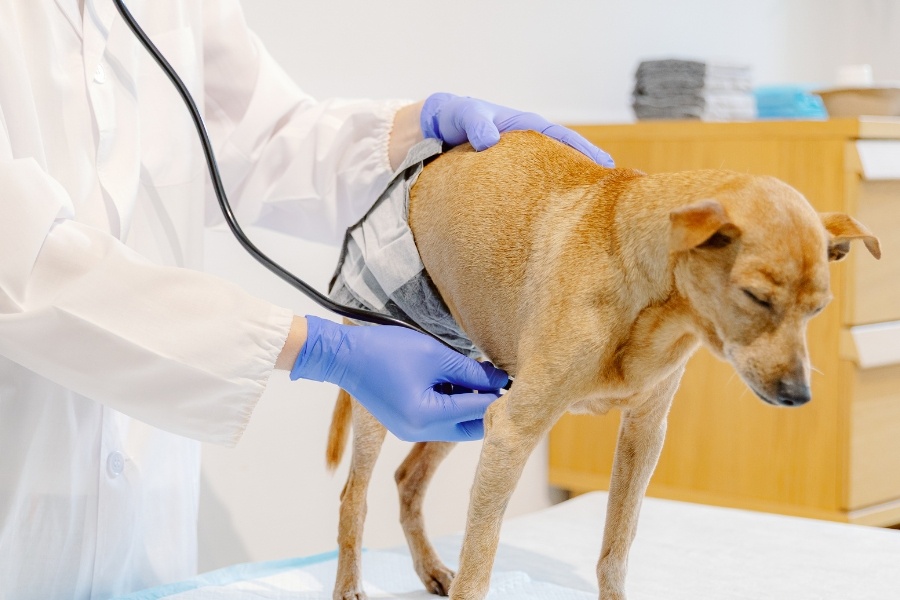
A pet’s health story is not always written in obvious signs. A dog may continue greeting you at the door while gradually losing stamina. A cat may finish every meal but slowly lose weight. Because these changes can happen little by little, it is not always easy to recognize when something more than a normal routine shift is taking place.
Veterinary diagnostic testing helps investigate these less obvious changes. Rather than relying on appearance alone, veterinarians can gather information from laboratory samples and imaging to understand what may be happening inside the body.
For pet owners in Rye, NY, knowing how pet diagnostic care supports this process can help explain why a veterinarian may recommend testing even when a pet does not appear seriously ill.
The Difference Between Noticing a Change and Understanding Its Cause
Recognizing that something is different is only the first step. Understanding why it is happening can take more investigation.
For example, a pet that seems unusually tired might be experiencing a change in routine, discomfort, or an underlying health issue. A change in thirst could have several explanations, too. Similar outward signs do not necessarily mean the same problem is affecting every pet.
A veterinarian looks at the whole picture: the pet’s medical history, daily habits, physical examination, and any other symptoms. Diagnostic tests can add objective information to this assessment and help determine which possibilities deserve further attention.
The findings may point toward a likely explanation, suggest another concern, or show that more information is needed. Each step helps guide the next decision.
What Can Testing Reveal That Observation Cannot?
Changes in Blood Chemistry
Bloodwork can provide information about blood cells, organ function, blood sugar, and electrolyte levels. These measurements may help veterinarians investigate concerns that do not produce clear external signs.
A pet experiencing unexplained weight loss or reduced energy, for instance, may need blood tests as part of a broader evaluation. The results can identify abnormalities that warrant further investigation or help assess an existing condition.
Bloodwork does not answer every question by itself. Its value comes from interpreting the findings alongside the pet’s symptoms and examination.
Information Hidden in Urine and Stool
Not all useful diagnostic information comes from blood. Urine testing can help assess concentration and identify findings associated with urinary or other health concerns. Stool testing can help detect intestinal parasites and investigate certain digestive problems.
These tests may be recommended when a pet’s bathroom habits change, digestive symptoms persist, or the medical history suggests a particular concern. The veterinarian determines which sample or analysis is appropriate based on the situation.
A View Inside the Body
Some health questions involve physical structures that cannot be evaluated fully during an ordinary examination. Imaging helps veterinarians investigate these areas.
X-rays can provide information about bones and certain structures in the chest and abdomen. Ultrasound uses sound waves to create images of internal organs and soft tissues. Because the methods show different details, the veterinarian chooses the one best suited to the concern being investigated.
In some cases, imaging and laboratory testing may complement each other, offering different pieces of information about the same problem.
Why a Single Result May Not Tell the Whole Story
Diagnostic results need context. A value outside its expected range does not automatically confirm a specific illness, and a normal result does not rule out every possible condition.
Veterinarians interpret findings in relation to the pet’s age, medical history, symptoms, and examination. They may also consider whether the timing of a test affects what it can reveal.
If the initial findings do not explain the problem, the next step might be additional testing, repeat measurements, or monitoring over time. Although waiting for clarity can be frustrating, this approach can help avoid drawing conclusions from incomplete information.
When your veterinarian discusses results, ask which possibilities the findings support, what remains uncertain, and how the recommended next step could help answer the remaining questions.
The Value of Your Everyday Observations
You do not need to recognize a disease to provide useful information. Your familiarity with your pet’s normal behavior can help the veterinary team understand what has changed.
Think about whether your pet is moving differently, sleeping more, drinking unusually large amounts of water, or showing a gradual shift in appetite. Note when the changes began and whether they are becoming more noticeable.
Bring information about medications, supplements, previous medical concerns, and any possible exposure to unfamiliar foods or household substances. These details may help the veterinarian decide which tests are worth considering.
If your pet develops difficulty breathing, collapses, experiences severe pain, or shows another serious symptom, seek urgent veterinary attention rather than waiting to document the changes.
Finding a hidden health problem often involves connecting details that may seem unrelated at first. Diagnostic testing gives veterinarians additional evidence to interpret those clues, investigate possible causes, and decide whether further evaluation or treatment is appropriate.
If you have noticed a change in your pet’s behavior or physical condition, schedule an appointment to discuss your concerns and determine the next steps for your pet’s care.
Frequently Asked Questions
Q1. Why can a pet have a health problem without appearing sick?
Ans: Some conditions develop gradually or cause subtle changes at first. A pet may continue eating and interacting normally even when an underlying concern is present, which is why persistent changes deserve attention.
Q2. Can diagnostic testing help when symptoms are vague?
Ans: Yes. Depending on the examination findings, testing may provide additional information to help investigate possible causes. The veterinarian selects tests based on the individual pet rather than relying on symptoms alone.
Q3. Does every unusual test result require treatment?
Ans: Not necessarily. Some findings need further evaluation or monitoring before a decision can be made. Your veterinarian will consider the result alongside your pet’s overall health and other clinical information.
Q4. How does Rye Harrison Veterinary Hospital decide whether diagnostic testing is appropriate?
Ans: The veterinary team can assess your pet’s symptoms, history, and examination findings to determine whether testing may help investigate a health concern.
Q5. What happens if testing does not explain my pet’s symptoms?
Ans: Depending on the situation, the veterinarian may recommend a different test, repeat testing, or monitoring. The next step is guided by the information already gathered and the changes your pet continues to show.
Q6. How can Rye Harrison Veterinary Hospital help me understand a diagnostic recommendation?
Ans: The veterinary team can explain the purpose of a recommended test, what information it may provide, and how the findings could influence decisions about your pet’s care.