
A sudden change in your pet’s health can be difficult to understand. One day your dog or cat may be active and comfortable, and the next they may be limping, refusing food, vomiting, or acting unusually quiet. While not every concerning symptom means surgery is necessary, some changes should not be ignored.
For pet owners in Rye, NY, recognizing these warning signs can help you know when your pet may need a veterinary evaluation. A timely examination can help determine what is causing the problem and whether medical treatment, monitoring, or surgery may be appropriate.
Pet surgery may be recommended for certain injuries, conditions, growths, or other problems that cannot be adequately managed with medication or supportive care alone. The decision depends on your pet’s specific condition, overall health, diagnostic findings, and the veterinarian’s assessment.
What Signs Could Mean Your Pet Needs Surgery?
Certain symptoms can indicate a potentially serious problem, but symptoms alone cannot determine whether surgery is needed. A veterinarian may need to perform an examination and diagnostic testing before recommending the appropriate treatment.
Persistent Vomiting or Abdominal Problems
Repeated vomiting, abdominal discomfort, bloating, or a sudden loss of appetite can have many possible causes. In some cases, these signs may be associated with a condition that requires surgical treatment, such as an intestinal obstruction.
If your pet repeatedly vomits, seems painful, or cannot keep food or water down, contact your veterinarian promptly rather than waiting for the symptoms to resolve on their own.
Severe or Persistent Lameness
A pet that suddenly stops putting weight on a leg, has significant swelling, or continues to limp may have an injury requiring veterinary attention.
Some orthopedic injuries can be managed conservatively, while others may require surgery. Your veterinarian may recommend imaging or other diagnostic testing to understand the underlying problem.
Unusual Lumps or Growths
Not every lump is dangerous, but a new, rapidly changing, bleeding, or otherwise concerning growth should be evaluated. Your veterinarian may recommend diagnostic testing to determine what the mass represents and whether removal is appropriate.
Difficulty Urinating or Other Sudden Changes
Straining to urinate, repeated attempts to urinate, blood in the urine, or an inability to urinate can indicate a potentially urgent problem. Some urinary conditions may require immediate veterinary care and, in certain cases, a procedure or surgery.
Do not attempt to treat these symptoms at home. Contact a veterinary professional if your pet develops significant urinary changes.
What Conditions Can Require Pet Surgery?
Surgery can be used to address a wide range of veterinary problems. Depending on the circumstances, procedures may be considered for soft-tissue conditions, orthopedic injuries, certain masses, wounds, reproductive procedures, or problems affecting internal organs.
For example, a swallowed object that causes an intestinal blockage may require surgical removal. Certain fractures, ligament injuries, or other orthopedic problems may also require an operation.
However, surgery is not automatically the best option for every condition. A veterinarian will consider your pet’s diagnosis, overall health, risks, expected recovery, and available treatment options before making a recommendation.
How Can You Prepare If Your Pet Needs Surgery?
If your veterinarian recommends surgery, ask questions about the procedure, anesthesia, expected recovery, medications, activity restrictions, and follow-up appointments.
Your pet may also need a pre-surgical evaluation. Depending on their age, medical history, and condition, the veterinary team may recommend bloodwork or other diagnostic tests before anesthesia.
At home, prepare a quiet recovery area where your pet can rest safely. Follow all instructions regarding food, medications, activity, and incision care. Do not change medications or post-surgical instructions unless your veterinary team tells you to do so.
What Should You Watch for During Recovery?
After surgery, some temporary changes may be expected, but your veterinary team should explain what is normal for your pet’s specific procedure.
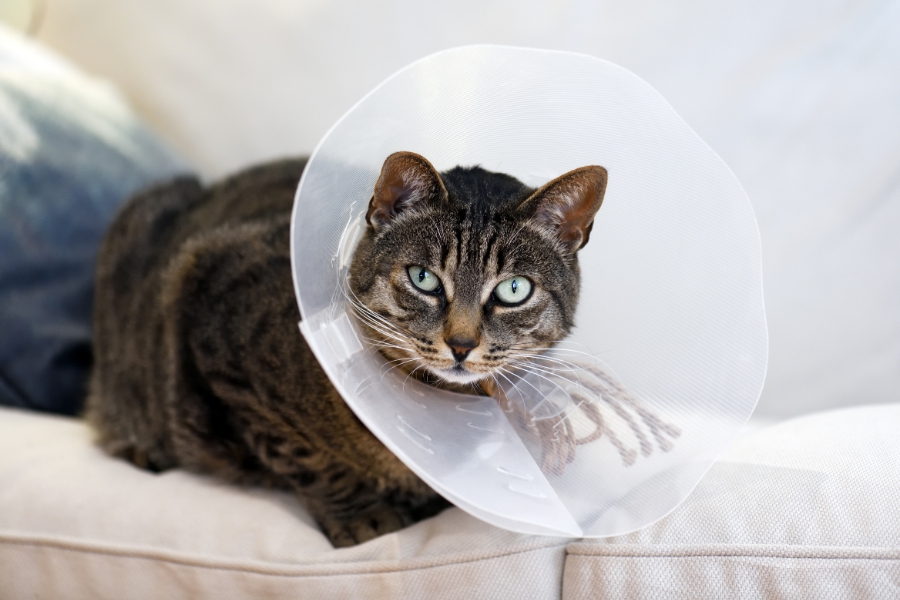
Monitor your pet for concerning changes such as significant swelling, persistent bleeding, unusual discharge, worsening discomfort, difficulty breathing, repeated vomiting, or extreme weakness. Prevent your pet from licking or chewing at the surgical site if protective measures have been recommended.
Following post-operative instructions carefully can help support a smoother recovery. Your veterinarian may also recommend follow-up visits to monitor healing.
When Should You Contact a Veterinarian?
Contact a veterinarian if your pet develops a sudden or significant change in health, especially if they appear painful, extremely weak, have difficulty breathing, repeatedly vomit, cannot urinate, experience severe lameness, or have a serious injury.
Some situations may require urgent evaluation. If you are unsure whether a symptom could indicate a surgical problem, it is safer to seek veterinary guidance rather than trying to determine the cause yourself.
Not every concerning symptom means your pet needs surgery, but unusual or persistent changes deserve attention. Early veterinary evaluation can help identify the underlying problem and determine whether monitoring, medication, supportive care, or a surgical procedure is appropriate.
For pet owners seeking pet surgery, Rye Harrison Veterinary Hospital can evaluate your pet’s condition and discuss appropriate treatment options when surgery may be indicated. Schedule a veterinary evaluation if you have noticed a concerning change in your pet’s health or behavior.
Frequently Asked Questions
Q1. What are the most common signs that a pet may need surgery?
Ans: Persistent vomiting, severe pain, significant lameness, certain injuries, unusual growths, and serious urinary problems may require veterinary evaluation and, in some cases, surgery.
Q2. Does every serious pet health problem require surgery?
Ans: No. Treatment depends on the underlying condition. Some problems may respond to medication or supportive care, while others may require a procedure or surgery.
Q3. How do veterinarians determine whether a pet needs surgery?
Ans: A veterinarian may use a physical examination, medical history, bloodwork, X-rays, ultrasound, or other diagnostic testing to better understand the problem and determine appropriate treatment.
Q4. Does Rye Harrison Veterinary Hospital provide pet surgery?
Ans: Rye Harrison Veterinary Hospital provides veterinary surgical care and can evaluate your pet to determine whether surgery may be appropriate for their condition.
Q5. Can Rye Harrison Veterinary Hospital help prepare my pet for surgery?
Ans: Yes. The veterinary team can discuss pre-surgical evaluation, anesthesia considerations, preparation, and what you may need to expect during your pet’s recovery.
Q6. When should I contact Rye Harrison Veterinary Hospital about a possible surgical problem?
Ans: Contact the veterinary team if your pet develops a sudden or persistent health change, significant pain, severe lameness, repeated vomiting, difficulty urinating, or another concerning symptom that requires evaluation.