Hearing that your dog or cat may need surgery can be stressful. Pet owners often have questions about why an operation is necessary, whether other treatments are available, and what recovery will involve. Veterinary surgery can treat a wide range of conditions, from injuries and hernias to tumors and orthopedic problems. However, surgery is not always the first treatment option.
For pet owners in Rye, NY, recognizing changes in your pet’s health can help you seek veterinary attention at the right time. A thorough examination and appropriate diagnostic testing allow a veterinarian to determine whether surgery, medication, rehabilitation, monitoring, or another treatment is most appropriate.
Veterinary pet surgery may be recommended when a condition cannot be effectively managed with conservative treatment or when surgery offers the best opportunity to restore function, control disease, relieve discomfort, or protect your pet’s quality of life.
What Is Veterinary Pet Surgery?
Veterinary surgery includes medical procedures performed to repair, remove, correct, or manage health conditions in animals. Some procedures are planned, while others may be needed urgently following an accident, injury, sudden illness, or rapidly developing condition.
Depending on the diagnosis, surgery may be used for damaged ligaments, hernias, severe wounds, tumors, certain abdominal conditions, and other problems. Before recommending an operation, veterinarians consider factors such as your pet’s age, breed, medical history, current health, symptoms, diagnostic results, and expected benefits.
Signs Your Pet May Need Surgery
A particular symptom does not automatically mean your pet needs surgery. However, certain changes should prompt a veterinary examination.
Persistent or Severe Pain
Pets may hide pain, making behavioral changes especially important. Whining, hiding, limping, avoiding stairs, reduced activity, changes in appetite, restlessness, or unusual aggression can indicate discomfort.
Difficulty Walking or Moving
Sudden inability to use a leg, difficulty standing, reluctance to walk, or reduced mobility can be associated with orthopedic or neurological conditions. Some problems respond to medication or rehabilitation, while others may require surgical treatment.
A New or Changing Lump
Many lumps are not cancerous, but a mass that is new, growing, changing, or unusual should be evaluated. Your veterinarian may recommend imaging, tissue sampling, or other testing. Surgical removal may be considered when appropriate.
Serious Wounds or Lacerations
Deep wounds can damage muscles, nerves, blood vessels, and other tissues. Severe bleeding, significant swelling, contamination, or deep lacerations may require prompt treatment and, in some cases, surgical repair.
Persistent Vomiting or Digestive Problems
Repeated vomiting or other gastrointestinal symptoms can sometimes indicate a serious condition. If a pet swallows a foreign object and develops an intestinal obstruction, surgery may be necessary. Suspected obstruction should be treated as a potential emergency.
Conditions That May Require Pet Surgery
Veterinary surgery can address many different conditions.
Soft-tissue conditions: These may include hernias, severe lacerations, certain abdominal problems, mass removal, and spay or neuter procedures.
Orthopedic problems: Surgery may be considered for certain injuries or disorders involving bones, joints, ligaments, hips, knees, elbows, and related structures.
Tumors and cancer: Surgical oncology may involve removing a mass or tumor when doing so is medically appropriate. The decision depends on the tumor’s type, size, location, and characteristics, as well as your pet’s overall health.
Spaying and neutering: These common procedures prevent reproduction and can provide certain health benefits. Your veterinarian can help determine appropriate timing based on your pet’s age, breed, health, and individual circumstances.
How Veterinarians Determine Whether Surgery Is Necessary
Diagnosis is an important part of deciding whether surgery is appropriate. Your veterinarian may begin with a physical examination and recommend additional testing based on your pet’s symptoms.
Diagnostic procedures can include:
- Blood work
- X-rays
- Ultrasound
- Laboratory testing
- Tissue sampling
- Other specialized imaging
The results help your veterinary team understand the underlying problem and determine whether surgery or another treatment offers the best option.
Preparing Your Pet for Surgery
If surgery is recommended, your veterinary team will provide instructions based on the procedure and your pet’s individual needs. These may include guidelines about food, water, medications, arrival time, transportation, and preoperative testing.
A preoperative examination helps assess whether your pet is healthy enough for anesthesia and surgery. Blood work may also be recommended to evaluate overall health and identify concerns that could affect treatment.
What Happens During and After Surgery?
Anesthesia allows veterinarians to perform many procedures while keeping pets unconscious and comfortable. The anesthesia plan is selected according to the procedure and the individual patient.
During surgery, veterinary professionals monitor important vital signs and use appropriate equipment to support patient safety. Pain-management strategies may also be used before, during, and after the procedure.
After surgery, your pet is monitored as the effects of anesthesia wear off. Once your pet returns home, you may receive instructions regarding medications, feeding, activity restrictions, incision care, and follow-up appointments.
Helping Your Pet Recover at Home
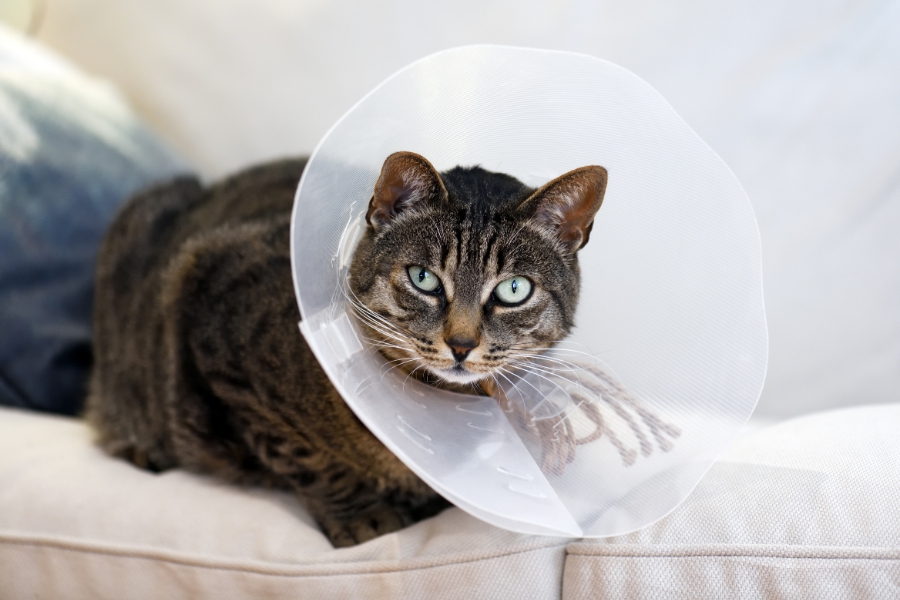
Recovery requirements depend on the type of procedure. Your veterinarian may recommend restricting running, jumping, and rough play while tissues heal. You may also need to prevent your pet from licking or chewing the incision and administer medications as prescribed.
Check the surgical site as instructed and contact your veterinarian if you notice significant swelling, excessive bleeding, discharge, increasing redness, an opening in the incision, severe pain, or persistent licking.
Never give your pet human pain medication unless your veterinarian specifically instructs you to do so.
When Is Pet Surgery an Emergency?
Some conditions require immediate veterinary attention. Potential emergencies include severe trauma, uncontrolled bleeding, difficulty breathing, collapse, suspected intestinal obstruction, severe abdominal pain, certain serious wounds, sudden inability to walk, and suspected poisoning.
If your pet experiences a potentially life-threatening problem, seek veterinary care immediately rather than waiting for a routine appointment.
When Should You Contact a Veterinarian?
Not every health concern requires surgery, but delaying an examination can allow some conditions to become more complicated. Persistent pain, sudden lameness, repeated vomiting, a growing lump, serious injury, or major behavioral changes should be evaluated by a veterinary professional.
Surgery may sound intimidating, but it can be an important treatment option when other approaches are not sufficient. Early evaluation allows your veterinarian to identify the underlying problem, discuss available treatments, explain potential risks and benefits, and develop an appropriate care plan.
If your pet is showing signs that concern you, Rye Harrison Veterinary Hospital can evaluate your pet and discuss whether surgery or another treatment may be appropriate. Schedule an appointment to have your pet’s condition assessed.
Frequently Asked Questions
1. How do I know if my pet might need surgery?
Ans: Persistent pain, difficulty walking, serious wounds, a changing lump, repeated vomiting, or other significant health changes may require veterinary evaluation. These signs do not automatically mean surgery is necessary.
2. What conditions commonly require veterinary surgery?
Ans: Surgery may be used for certain orthopedic problems, hernias, tumors, severe wounds, intestinal obstructions, soft-tissue conditions, and spay or neuter procedures. Treatment depends on the diagnosis.
3. What should I expect during surgical recovery?
Ans: Your pet may initially be sleepy or less active after anesthesia. Recovery may involve medications, activity restrictions, incision monitoring, and follow-up care. Your veterinarian will provide specific instructions for your pet.
4. What types of surgery are available?
Ans: Depending on the condition, veterinary surgery may include soft-tissue procedures, orthopedic surgery, surgical oncology, spay and neuter procedures, and other surgical treatments.
5. How is my pet prepared for surgery?
Ans: A veterinarian typically performs a preoperative examination and may recommend blood work or diagnostic testing. An appropriate anesthesia and monitoring plan is then developed based on your pet and the planned procedure.