164 S Ridge St, Rye Brook, NY 10573
Care for Your Exotic Pet
At Rye Harrison Veterinary Hospital, we are experienced in the care of,
- Rabbits, guinea pigs, ferrets, and other small mammals
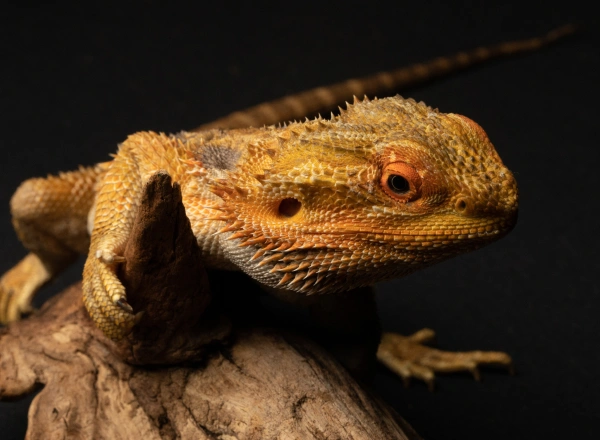
- Snakes, iguanas, turtles, and other reptiles
- Birds
Exotic pets have unique healthcare needs, and our team is proud to provide experienced veterinary care for a wide variety of species, including birds, rabbits, guinea pigs, ferrets, reptiles, small mammals, and more.
Dr. Pisciotta and Dr. Green have both spent many years caring for exotic animals and have extensive experience diagnosing, treating, and helping families care for these special companions. Their knowledge and passion for exotic pet medicine make them trusted resources for both routine wellness care and more complex medical concerns.
Because exotic pets often hide signs of illness, regular wellness exams are especially important. Many birds, reptiles, and small mammals can become seriously ill before showing obvious symptoms, making preventive care one of the best ways to keep them healthy and thriving. During annual examinations, we'll evaluate your pet's overall health, discuss nutrition and husbandry, answer your questions, and help identify potential concerns early.
Whether you've recently welcomed an exotic pet into your family or have cared for one for years, we're here to provide the knowledgeable, compassionate care they deserve.
To schedule an appointment for your exotic pet or to speak with our team about your bird, rabbit, reptile, or other small companion animal, give us a call. We'd be happy to help.
Wildlife Care
Because of our experienced exotic animal doctors we often receive calls regarding wildlife rescue. Although we are not a wildlife rehabilitation facility, our love for all creatures inspires us to help by giving advice to those who stumble across wild animals in need of help, and sometimes provide emergency care to wildlife until they can be moved to a rehab facility.
Please remember that if you come across a baby animal alone, there is no a need to panic. Mothers of wild animals from birds to chipmunks to deer often will leave them by themselves for hours at a time to find food, and the baby will be safe. Please do not remove them from their nest or hiding place–unless you have a reason to believe they are seriously injured, and in that case, please feel encouraged to call us and ask for advice in the specific situation first.
Compassionate Care and a Warm Welcome for Every Pet
